News
» Go to news mainBuilding Through Connection: A Free Labs Journey

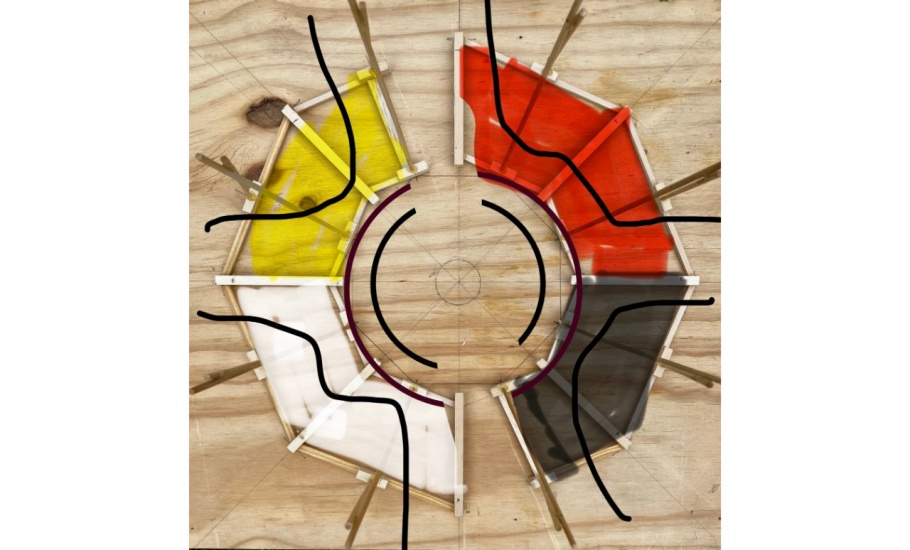
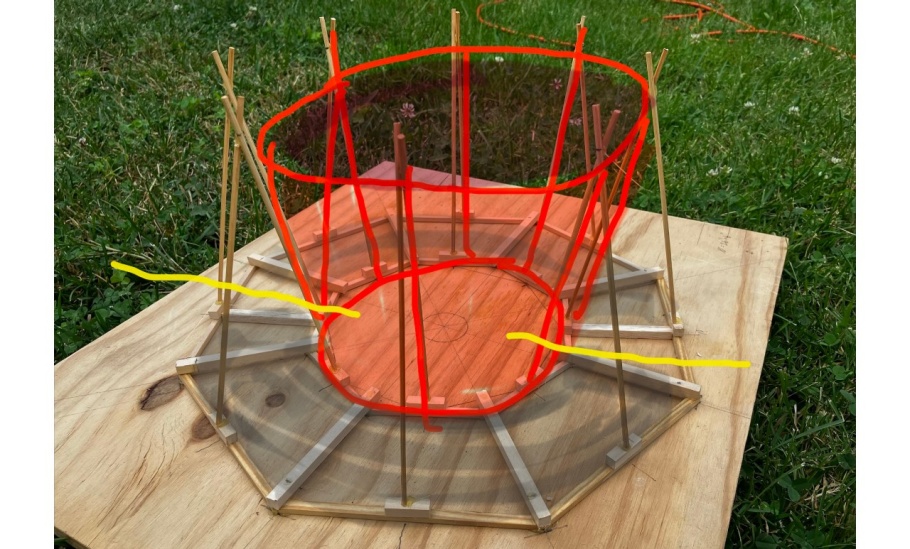
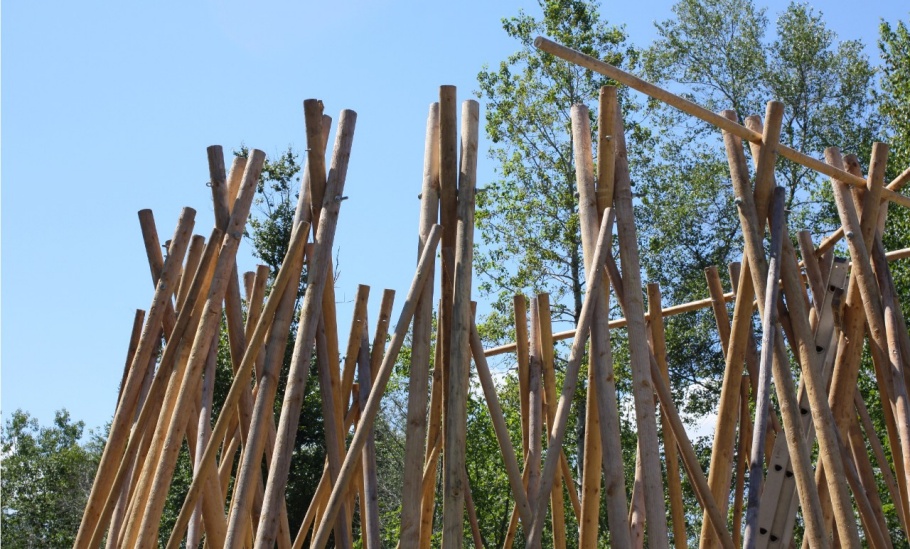
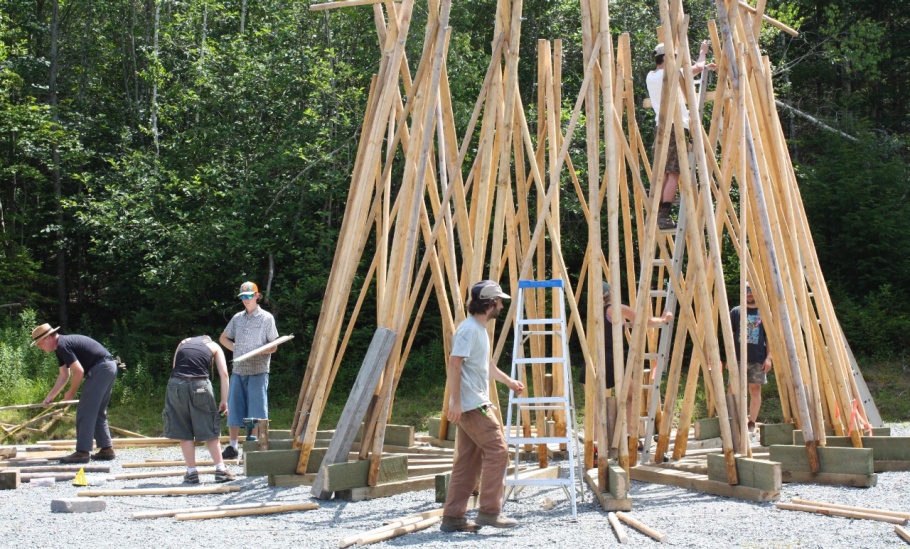
Students in the Faculty of Architecture and Planning's annual Free Labs course stepped beyond the studio this summer to design and build a permanent outdoor learning space in Millbrook First Nation. Along the way, they developed hands-on construction skills, deepened their understanding of community-engaged design, and gained experience that is helping shape the way they think about architecture, collaboration, and the future of design.
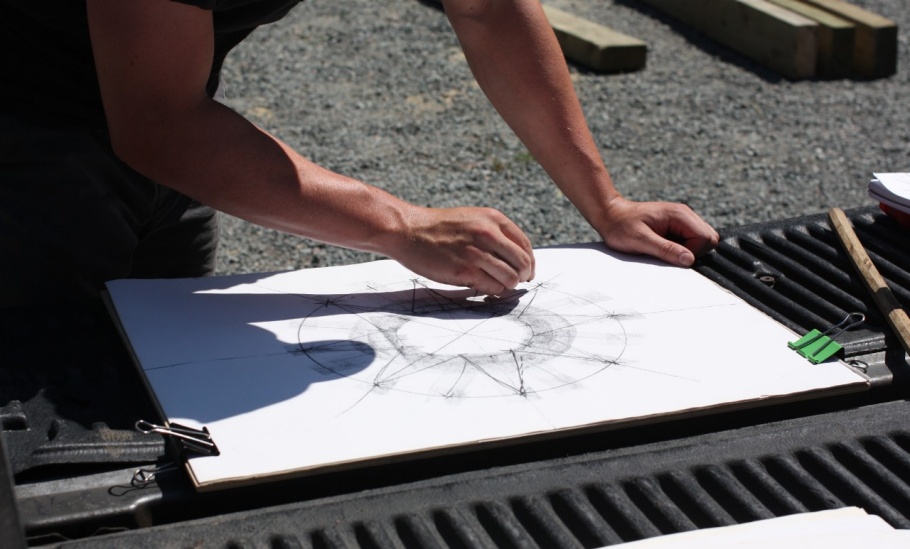
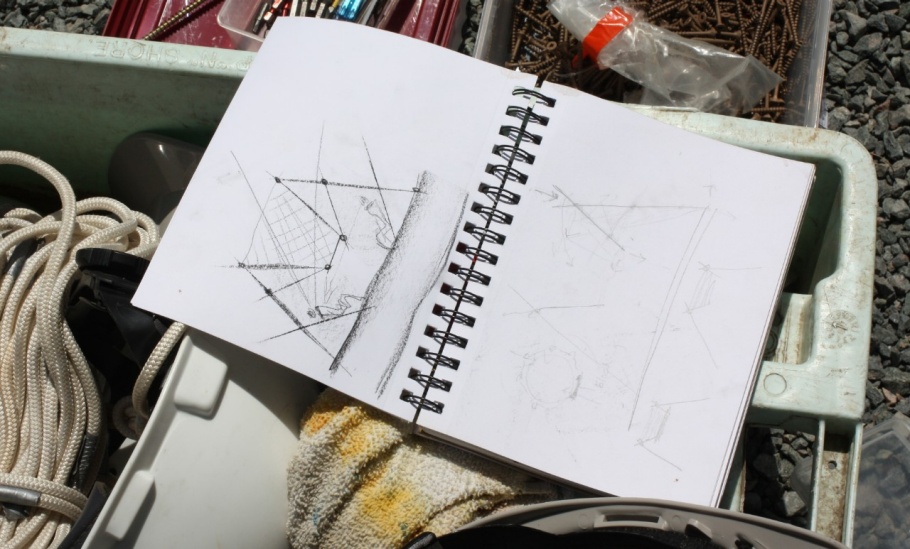
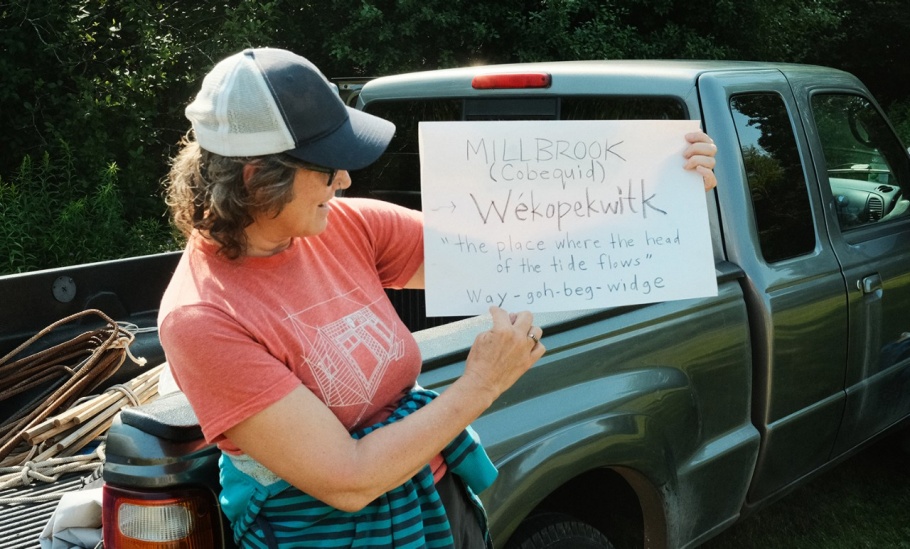
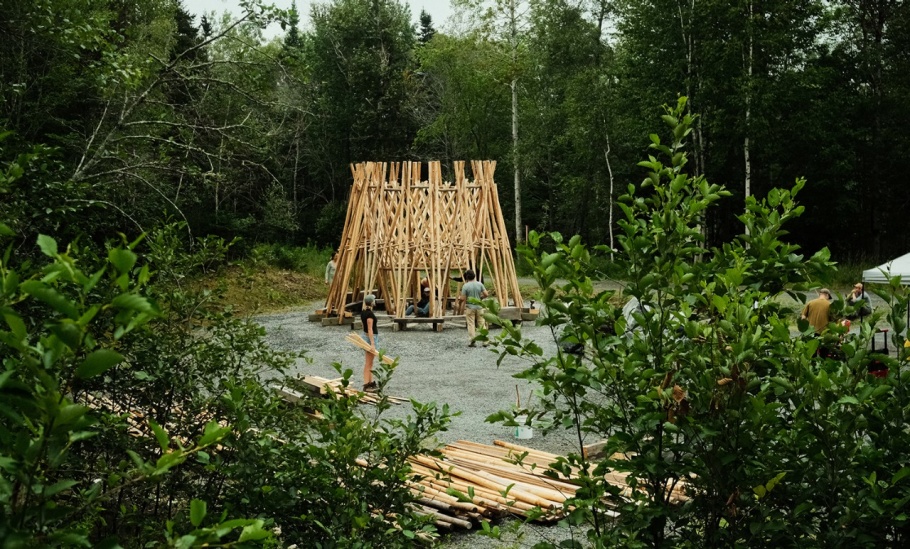
Held during the final two weeks of July, the Free Labs course offers students an opportunity to immerse themselves in projects that bridge academic learning and real-world experience. The Mawkwil~mn~j ("Let's Look for it Together") lab, led by faculty member Roger Mullin, challenged students to work alongside community partners in Millbrook First Nation to create a permanent pavilion and gathering space for Indigenous youth using materials repurposed from installations built for the 2023 North American Indigenous Games.Â
For architecture student Julia Sheehan, the experience demonstrated the difference between designing for a place and truly engaging with it.
"Being able to build such an intimate structure that directly engages with the community was such a unique and invaluable experience."Â
From Classroom to Community
While architecture students regularly explore design concepts through drawings, models, and studio projects, the Free Labs course places them directly into the environments they are designing for.
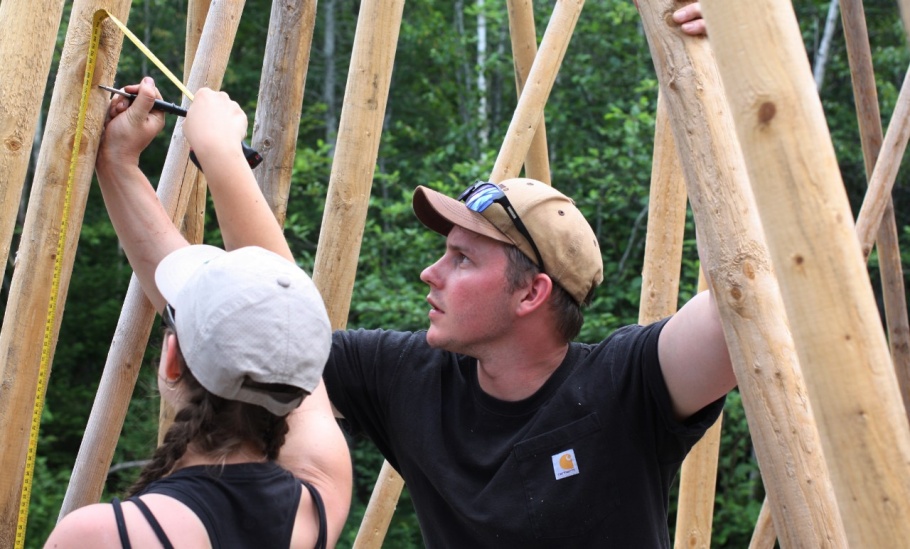
In Millbrook, students spent two weeks working through design challenges, construction details, and team decision-making while immersed in the rhythms of the community itself. For Julia, that experience created learning opportunities that simply could not be replicated in the classroom.
"The difference between learning about something from a distance and actually living in a space for two weeks is intangible."Â
One of her most memorable experiences came when students were invited to breakfast at the local seniors' centre.
"We were welcomed by many elders who fed us and excitedly told us stories about the community. That was a day I'll never forget."Â
Experiences like these are a defining feature of the Free Labs course. By embedding students within communities, the program encourages them to understand the social, cultural, and human dimensions of design alongside its technical and aesthetic considerations.
Learning Through Indigenous Perspectives
At the heart of the Mawkwil~mn~j project was a commitment to collaboration and learning through Indigenous knowledge and perspectives.
Through engagement with Mi'kmaw community members and the concept of Etuaptmumk, or Two-Eyed Seeing, students were encouraged to consider multiple ways of understanding and engaging with the world. The experience challenged them to listen carefully, learn from lived experience, and recognize the value of diverse perspectives in the design process.
For Julia, those lessons extended far beyond the construction of the pavilion itself.
"I feel like I developed an entirely new skillset as a student and architect just from hearing about others' lived experiences and learning the importance of practicing Etuaptmumk (Two-Eyed Seeing) in my daily life."Â
Projects like this expose students to culturally grounded approaches to design while helping them develop the skills needed to work respectfully and collaboratively with communities. In doing so, they gain a deeper appreciation for the importance of listening, relationship-building, and shared decision-making.
Designing With, Not For
One of the most significant outcomes of the project was the way it influenced students' understanding of their future roles as design professionals.
Rather than approaching architecture as a top-down process, students experienced firsthand the importance of involving community members in decisions that affect spaces they will ultimately use and care for.
That lesson left a lasting impression on Julia.
"My goal moving forward is to always be able to make these connections and learn from those who will experience what we design, rather than approaching it top-down."Â
This shift in perspective reflects a broader goal of experiential learning within the Faculty: helping students develop not only technical expertise, but also the empathy, communication skills, and cultural awareness needed to become effective practitioners.
Building More Than a Structure
When the project concluded, students left behind a permanent gathering place for Indigenous youth in Millbrook First Nation. They also left with a greater understanding of teamwork, resilience, and the value of collective effort.
Looking back, Julia says she is most proud of the structure the team created together and the way the group learned to support one another through challenges.
"Every element feels like it represents one of us, and the final structure truly symbolizes the way that we all came together and worked so hard to get it done."Â
For students, the Mawkwil~mn~j Free Lab was about far more than learning how to build. It was an opportunity to engage with a community, learn through Indigenous perspectives, and experience the realities of collaborative design in a meaningful way.
In the process, they gained lessons that will continue to inform their studies, their careers, and the way they approach the built environment.
Learn more about the Free Labs program here.
Recent News
- Building Through Connection: A Free Labs Journey
- Professor Michael Faciejew Co‑Edits New Book on the Future of Concrete
- From Concept to Construction: Architecture Students Bring Hidden Urban Systems to Life for Nocturne
- Remembering Ralph Medjuck
- Looking ahead: Celebrating leadership, academic excellence, and new beginnings
- School of Planning Programs Re‑Accredited Through 2031
- Celebrating our grads ‑ A message from the Dean
- Celebrating Anna Brozek, 2026 Loran Scholar and Incoming BCD Student